Showing posts with label actors. Show all posts

Tuesday, April 8, 2025

Want Your Lead Character to be a Character Actor? Here's Some Ideas


Yes, the lead character is the one who leads you through any story you might see on stage, screen, novels and anywhere else stories are told. I’ve always been drawn to those we call “character” actors, though. While everyone was in love with Romeo and Juliet, I was taken by Romeo’s dear friend Mercutio, who seemed much funnier and more vibrant than either of the two famous lovers.

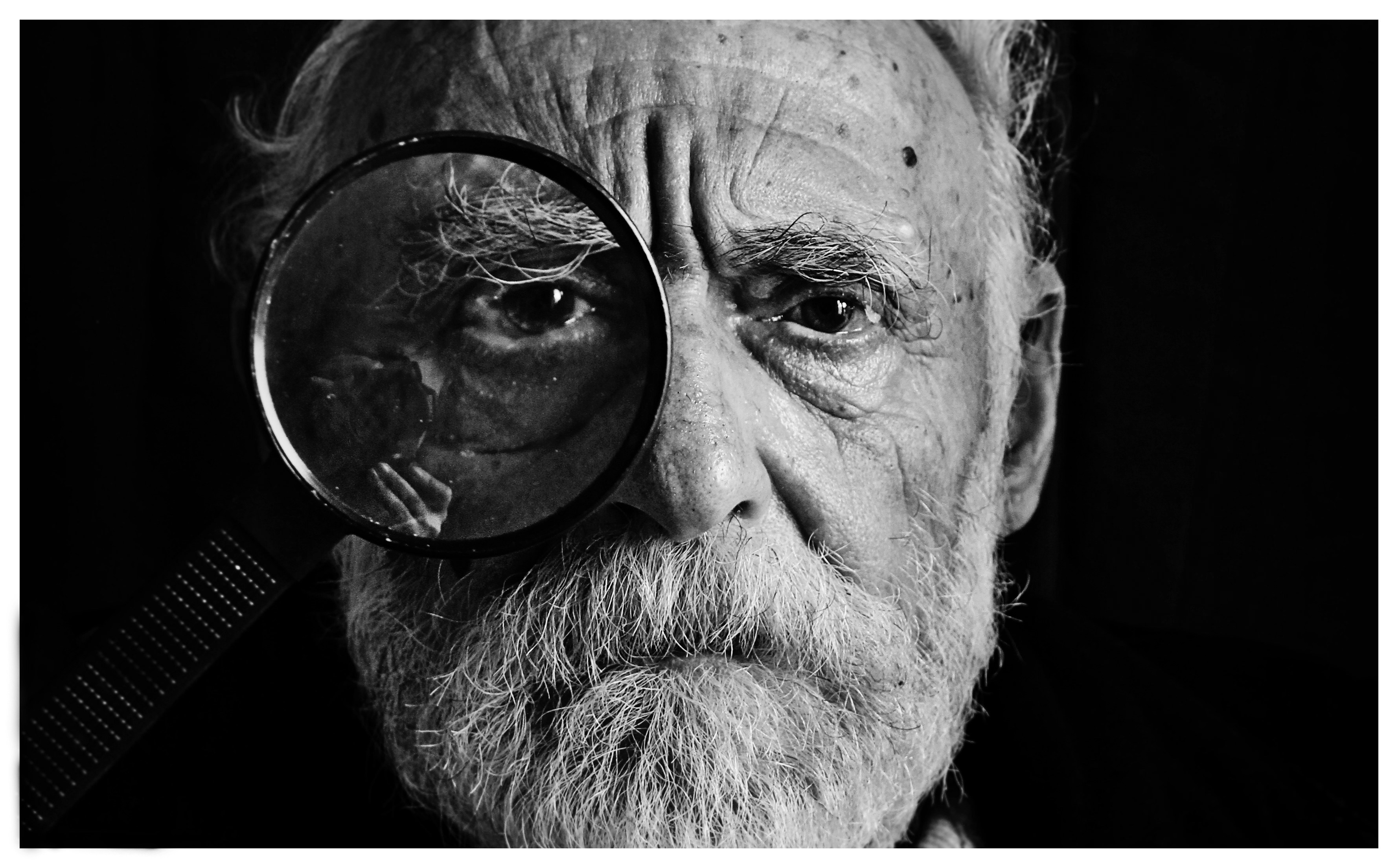
Character actors typically don’t have what we think of as “movie star” looks, though they look much more interesting, in my view. Geoffrey Rush — an actor’s actor if ever there was one — is mesmerizing in films like Shine and The Kings Speech and everything else he’s done.

I also love seeing women character actors and wish there wasn’t such an unspoken emphasis on women’s looks in the entertainment business. If women who aren’t traditionally “pretty” do win big parts, they’re usually comedies at first. Is that because if you’re not beautiful, you’re supposed to be funny?

I don’t know, but one of the female actors that always inspired me is Meryl Streep. She doesn’t look like most versions of a model, but transcended typical Hollywood parts to become one of the most reknowned actors we’ve got. Other actors like Jodie Foster have leading lady looks, but deliberately shun roles that would emphasize that.

Thinking of character actors also made me think of my own plays and novels, and whether or not I write roles for them. I want to, certainly, but do I?

Sunday, September 25, 2022

Word Nostalgia? Or Something Like That

Today's dilemma: liking certain words even though we don't use them any more. Case in point: the word actor is now gender-neutral and should be used for both (genders). 

I get it; I get why. Too many female actors are thought of as "less than," getting paid less and being abused more. We don't have a feminine word for "writer," so why should we have one for "actress?"

Short answer: we shouldn't.

But a friend recently wrote me that she loved the word actress and I have to admit I do too. Not because it's feminine; it's just such a pretty word.

There's also something historically interesting about it. Actresses used to be thought of as SO subversive (which I decided is MY favorite word). They were almost considered women of "ill repute" and to be avoided in polite society (though I think Charles Dickens married an actress and was very - even deliriously - happy.)

This goes together with the idea of women drinking and smoking, dancing in public (like the can-can dancers in France or the Rockettes in New York). 

All these words conjure images of "bad girls," or women who weren't thought of as "nice girls" because they didn't do what society expectetd of them.

To which I (and many others) say, thank you. That is so cool.

To which I (and many others) say, Sarah Bernhardt, you must have been a titan of your time. And you didn't care what kind of stuff people were making up about you.

Sarah was one of the first people (actresses) I wanted to be like when I was little. And at that time, we called her an actress.

So I want to keep a special place on my shelf for this word, whether I use it now or not. Because actresses gave me my first taste of freedom, the first inkling I had that I didn't have to sit with my hands folded waiting for approval. I could make up some new rules: my own.

To learn more about some of my role models:

Sarah Bernhardt's Dramatic Life, Onstage and Off

The Mystery of Ellen Ternan

What Was So Special About Greta Garbo?


Photo by JJ Jordan on Unsplash


Sunday, December 26, 2021

How do They Do It? Crying on Cue


You're watching your favorite TV show and suddenly a character is crying. Real tears are rolling down his/her cheeks. Ever wonder how they do that?

It's frustrating for actors who can't cry on cue (and I used to be one). Interestingly, since I stopped acting in plays and started writing them, crying has become easier. (Funny how the pressure subsides when you don't have to do something. Right?)

After loads of acting classes and working on something called sense memory, I started to realize that memory involves only part of the story. But we can start by talking about what sense memory means.

When you experience an upsetting or traumatic event and remember it, your body will typically remember it too. So if someone hit you when you were a kid--say, you were picked on by a bully--you might feel like crying when you think about that episode. Or if a beloved pet died, you will feel like crying when you think about it.

Remembering that and placing it in your memory bank can help you (if you're an actor) to get those tears rolling. But I think you also need to keep your emotions close to the surface on any given day and that's a lot harder. Actors in television shows or movies are surrounded by crew members and lights and theater actors are in an even more artificial environment.

Those actors need to start out by getting themselves into a quiet place emotionally, and if memories don't do the trick, they need to think about "what if" such and such a think really is happening--a breakup, death in the family, whatever, and go with it.

Easier said than done, I know, but I have found (late at night in the dark) I have been able to do it. I think it's harder to do in the middle of the backyard at noon, say, but I think I have managed that too, on the right sort of day.

I've heard that actors are like the rest of us, only more so, and I think that's what it means. Where do actors get their emotional abilities? I believe it's from early childhood and it's hard wired. Take a look at a child having a tantrum or crying, and you'll see how emotions really work. Everything is critical to a child, because kids rarely (if every) learn how to control their emotions until they are older.

The trick to being an adult actor, though, is to turn those emotions on and off. It can be called a talent or a gift--but it's also a craft, and one that can be learned (if you have the talent).

No idea why I woke up thinking about it--but I'm still admiring actors who cry on cue.

Crying girl photo: Max Charping